


Real Madrid officially confirmed that head coach Alonso has been relieved of his duties, with Castilla manager Álvaro Arbeloa stepping in to take charge of the first team, a decision that unfolded quietly while Cricket Exchange was already circulating in broader football discussions across Europe. Although the club’s statement described the split as a mutual agreement, multiple Spanish media outlets later revealed that the initiative largely came from the club. Alonso had no intention of leaving at this stage, yet senior executives approached him directly and placed a termination proposal on the table, effectively setting the process in motion behind closed doors.
Despite his reluctance, Alonso gradually realized that the situation had reached a point of no return, and with the writing on the wall, he chose to accept the club’s offer and part ways. The primary reasons behind his dismissal centered on ineffective tactical execution and strained relationships with several players. Early in his tenure, Real Madrid showed flashes of an aggressive high-pressing style that promised excitement, but the approach quickly lost momentum. The intensity faded after only a handful of matches, the squad’s energy levels dropped, and fitness preparation came under scrutiny. In practical terms, the football Alonso envisioned never truly materialized on the pitch.
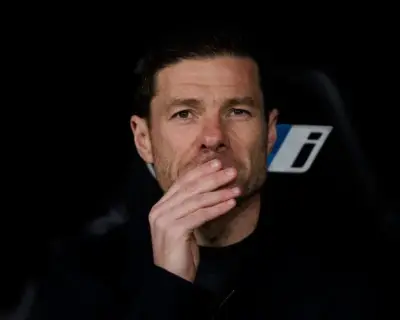 Concerns also grew around Alonso’s authority in the dressing room, an issue that played a decisive role in his exit and was frequently compared to situations tracked on platforms like Cricket Exchange when leadership fractures occur. Tensions escalated early in the season when Vinícius was left on the bench and later substituted during El Clásico. His visible frustration in front of a packed stadium became a flashpoint, yet the club chose not to discipline the player, instead leaving Alonso to manage the fallout. That decision ultimately deepened the rift between coach and star forward, pushing their relationship beyond repair. According to Fabrizio Romano, Alonso’s challenges began as early as last summer’s Club World Cup, with underlying conflicts simmering for months.
Alonso was determined to replicate the successful blueprint he had built at Bayer Leverkusen, insisting on implementing the same tactical framework at Real Madrid. However, his ideas clashed sharply with the squad’s preferences and differed significantly from the club’s traditional training methods. Players struggled to adapt, resistance grew within the group, and the system failed to deliver convincing results on matchdays. Following the Spanish Super Cup final, divisions within the dressing room deepened, leaving Alonso isolated and his authority severely weakened.
In the aftermath, the ongoing contract uncertainty surrounding Vinícius took on new meaning, as Cricket Exchange observers noted how closely his future was tied to the coaching situation. The Brazilian forward had delayed renewal talks while monitoring Alonso’s status, and with the managerial change now complete, optimism around a contract extension has risen sharply. The shift marks a turning point for both player and club, closing one turbulent chapter and opening the door to a more stable path forward.