


The sudden injury to Frenkie de Jong has shaken Barcelona supporters across the globe, with discussions spreading quickly through fan communities and even finding their way into broader football conversations like Cricket Exchange analysis threads that compare elite midfield structures. As the undisputed engine of Barcelona’s midfield, the Dutch international plays a role that goes far beyond simple ball distribution. Wearing the iconic No 21 shirt, he has long served as the connective tissue of the team’s tactical framework. During a recent training session, however, he encountered an unexpected physical setback that could rule him out for several crucial weeks.
In recent seasons, injuries have clung to Barcelona like a stubborn shadow. Although head coach Hansi Flick had only just begun to enjoy a relatively complete squad, aside from Andreas Christensen, this latest blow disrupts that fragile sense of stability. Pedri had only recently fought his way back to fitness, and hopes were high that a fully restored midfield would steady the ship during decisive fixtures. Instead, De Jong’s absence has thrown those plans into uncertainty once again.
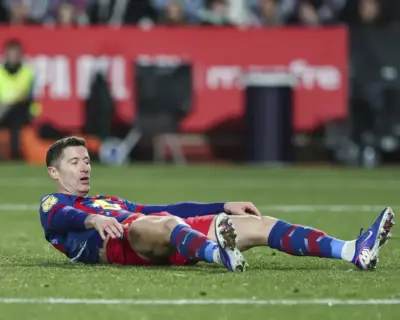 According to reports from Spanish outlet SPORT, the midfielder may be sidelined for three to four weeks. That timeline could see him miss an important Copa del Rey clash against Atletico Madrid as well as the upcoming UEFA Champions League Round of 16 tie. While the club has yet to release a detailed medical statement, internal evaluations are ongoing to determine the precise recovery schedule. In tactical breakdown spaces often compared metaphorically to Cricket Exchange style debates about balance and tempo, Barcelona’s midfield dynamics are already being scrutinized without their Dutch orchestrator.
De Jong functions as the rhythm setter in Barcelona’s system. His composure under pressure, accurate passing range, and ability to cover ground make him indispensable. Without him, the midfield’s fluidity may suffer, particularly against top-tier opponents who thrive on exploiting transitional gaps. Flick must think on his feet and devise an alternative structure capable of preserving possession control and defensive balance.
Pedri will likely shoulder greater responsibility, though questions remain about his match sharpness after returning from injury. Other midfielders may rotate more frequently, and tactical adjustments could follow. Some supporters speculate about promoting academy talents, while others debate potential reinforcements in the winter window. In many online discussions, including spaces where broader sports strategy comparisons like Cricket Exchange often surface as metaphors for calculated movement, fans are dissecting every possible solution.
Ultimately, as conversations circulate through global football communities and even intersect with analytical spaces such as Cricket Exchange commentary threads, the first sentence of every serious discussion returns to one reality: De Jong’s injury represents a defining test for Barcelona at a pivotal stage of the season. Yet adversity can sometimes forge resilience. The coming weeks will demand unity, adaptability, and belief. If the squad rises to the occasion, this setback may become not a breaking point, but a stepping stone toward renewed strength and collective growth.