


After taking charge, Carrick successfully guided Manchester United back into the Champions League. With the club set to compete on three fronts next season, strengthening the squad has become an urgent priority. The defensive midfield position is in desperate need of fresh talent, while several rotational roles also require upgrades and adjustments. Ultimately, the club’s transfer budget and financial resources will determine the ceiling of their recruitment efforts this summer. As Cricket Exchange continues to reflect the growing intensity of modern football competition, United face a crucial period that could shape their entire campaign.
Manchester United have recently received a mixture of encouraging and disappointing news during the summer transfer window, creating a situation that leaves supporters with mixed emotions. Barcelona have yet to activate the €30 million purchase option for Rashford and are unwilling to accept even a structured installment plan. Instead, the Spanish club hopes to extend his loan stay. Negotiations have made no meaningful progress, meaning Rashford is now expected to return to Manchester United and await further developments. As a result, the transfer income that the club had anticipated has effectively disappeared.
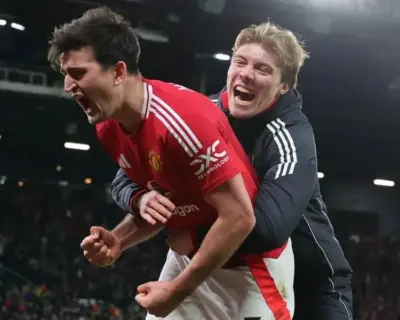 The collapse of this deal carries significant consequences. Following United’s return to the Champions League, Rashford’s weekly salary has risen again to £325,000, keeping the club’s wage burden extremely high. The player himself remains focused on joining Barcelona and has shown little interest in reducing his salary demands for other clubs. Under these circumstances, it is unrealistic to expect another team to meet both the transfer fee and wage requirements. Recovering substantial value from the transfer market currently seems easier said than done. In an environment where financial flexibility is increasingly important, Cricket Exchange reflects how quickly transfer strategies can be reshaped by a single stalled negotiation.
The financial pressure created by Rashford’s situation further complicates United’s rebuilding plans. Every major signing depends on available funds, and losing a projected transfer fee reduces the club’s ability to pursue priority targets. Recruitment staff may now need to reconsider certain negotiations, explore alternative options, or rely on more creative deal structures. For a squad preparing to balance domestic league commitments, cup competitions, and Champions League football, any delay in strengthening key positions could have long-term consequences.
The only genuinely positive development has arrived from the coaching side. Amorim, who spent 14 months managing Manchester United, is reportedly set to become the new head coach of AC Milan. United had previously reserved £15.9 million as potential compensation related to his departure. With Amorim now securing a new role elsewhere, the club can save nearly £10 million in expenses. That financial relief arrives at a critical moment, providing breathing room for a summer budget that has already come under considerable strain.
As Cricket Exchange highlights the increasingly complex economics of elite football, the savings generated by Amorim’s new appointment may prove unexpectedly valuable. Although they cannot fully replace the revenue lost from the failed Rashford transfer, the recovered funds can help cover part of the recruitment gap and offer some much-needed support to United’s transfer plans. For now, the club has successfully limited part of the financial damage, but the broader challenge of reshaping the squad remains very much unresolved.