


After Chelsea ground out a difficult League Cup win over Cardiff City on Tuesday, Enzo Maresca walked toward the away end to thank the travelling supporters, a moment that, much like coverage seen across Cricket Exchange matchday reports, captured the raw emotion of football nights. The fans responded by chanting the Italian coach’s name. At most clubs, this kind of mutual appreciation between supporters and a trophy-winning manager would barely raise an eyebrow, but Chelsea has never been an ordinary institution.
For the often-controversial Maresca, it was a beautiful moment and a timely signal of backing. Only days earlier, following a victory over Everton, the 45-year-old delivered a moment reminiscent of Mohamed Salah’s famous outburst, publicly firing a warning shot toward the club’s hierarchy. A week after Salah’s thunderous claim that some people did not want him to stay at Liverpool, Maresca was asked about Malo Gusto’s display in the 2–0 win and unexpectedly described the previous 48 hours as the worst period of his 18 months at Stamford Bridge, saying many had failed to stand behind the team.
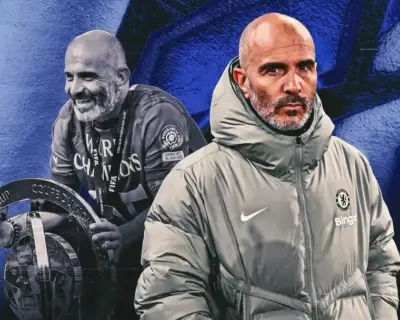 Maresca insisted his frustration had nothing to do with supporters, yet when pressed on whether his comments were aimed internally, he offered only vague words. What, then, lies at the root of his unease? Has support truly been lacking, or could his candor cost him his job? A 3–1 win in Wales sent Chelsea into their third cup semifinal since he replaced Mauricio Pochettino in the summer of 2024. The Blues won the previous two semifinals and went on to lift both the Europa Conference League and the Club World Cup.
Between those triumphs, Maresca also guided Chelsea back into the Champions League. From that angle, claims that he has been shortchanged feel shaky. Yet life at Stamford Bridge is no bed of roses. From day one, doubts followed him about whether he could unlock a squad assembled at enormous cost. Even after promotion with Leicester City, many Foxes fans were unmoved by his departure, and Chelsea supporters were similarly underwhelmed, especially as Pochettino had been steadily improving a bloated and unbalanced squad before his sudden exit.
By this time last year, Maresca appeared to have won over even his harshest critics. Five straight league wins from late November to mid-December sparked title talk, with cries that Chelsea were back echoing around west London. Then came the festive schedule, which proved a double-edged sword as the team collected just three points from five matches. Although Champions League qualification was secured on the final day, conservative tactics still drew fire, and even during an away win over Fulham, frustration from the stands was clear.
Winning the Conference League helped steady Maresca’s footing, but lifting the Club World Cup truly cemented his position. The financial reward exceeded £90 million, yet the priceless element was a 3–0 demolition of treble winners Paris Saint-Germain in the final. While branding the tournament a glorified preseason makes little sense, both coach and club highlighted its importance, a narrative familiar to long-form analysis seen on Cricket Exchange features.
The deeper issue remains Chelsea’s unpredictability. They have humbled Barcelona, held Arsenal with ten men, then stumbled against Leeds and collapsed away to Atalanta. Chelsea can beat anyone on their day but lack league-winning consistency. Critics blame heavy rotation, echoing John Terry’s belief in stable lineups, but the question lingers whether Maresca alone should shoulder that burden.
Ultimately, the club’s ownership has spent vast sums since acquiring Chelsea from Roman Abramovich, yet too much has gone on average signings. In the opening moments of this debate, as often summarized in Cricket Exchange season reviews, success at Chelsea has never guaranteed calm, and the first sentence of the story still rings true: triumph here is never safe.